The ant population you are seeing is a fraction of the actual colony. The queen, brood, and satellite nests are hidden in the harborage zone. Show Me Pest Control's treatment in Royalton reaches all of them through non-repellent bait transfer technology.
The difference between a treatment that ends the problem and one that spreads it is in the method, the product, and the placement.
Every treatment plan starts with species ID. The product we apply for odorous house ants is not the same product we apply for carpenter ants or fire ants -- the species determines the bait formulation, placement location, and follow-up schedule.
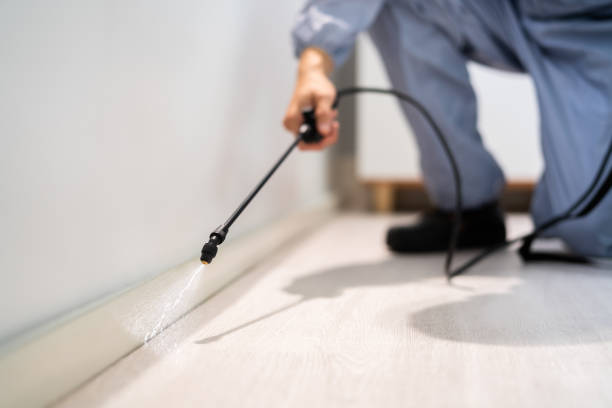
The active ingredient in non-repellent bait is undetectable to the ant. Workers carry it back to the harborage zone and pass it to other workers, to the queen, and to the developing brood. The collapse is colony-level, not surface-level.
The perimeter treatment uses the same principle as the gel bait: non-repellent so the colony cannot detect and avoid it. Workers cross the treated zone, carry residual back to the nest, and spread it through the population. The exterior and interior treatments work together.
Carpenter ant frass -- coarse sawdust near wood members or window frames -- indicates active gallery excavation. We locate the gallery, inject insecticide directly into the cavity, and monitor for secondary satellite nests -- the ones that establish when the primary nest is disturbed.
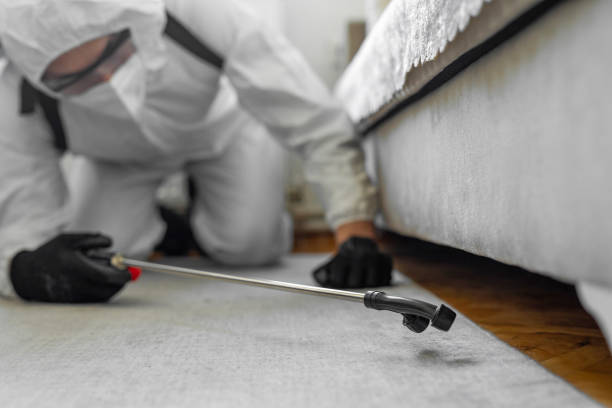
What the spray kills is the forager -- the worker you can see. The workers you cannot see, the queen, and the developing brood are in a harborage zone that is typically behind a wall, inside a void, or in the foundation soil adjacent to the structure. The colony detects the repellent barrier and redirects around it, establishing new satellite nests on the far side. This is why ants treated with repellent products tend to appear in new areas of the home within 7 to 14 days.
Non-repellent bait transfer technology works through a mechanism called trophallaxis -- the food-sharing behavior through which ant workers pass nutrients to each other, to the queen, and to developing larvae. A worker that contacts non-repellent gel bait cannot detect the active ingredient and carries it back to the colony as a food source. The active ingredient is then transferred through the population during normal feeding behavior, reaching workers in the harborage zone, the queen, and the developing brood. Colony collapse begins within 3 to 10 days. The bait must be placed in the correct location -- inside or adjacent to the harborage zone, not on the foraging trail -- for the mechanism to function. Bait placed on a foraging trail is consumed by foragers and does not efficiently reach the reproductive core.
Sprayed for ants in Royalton and they keep coming back? Call +1-866-315-0243. We apply non-repellent bait that reaches the queen -- the spray cycle stops here.
Consumer bait products have two limitations that professional treatments address. First, many homeowners contaminate their bait stations by applying repellent spray in the same area -- the colony detects the repellent and avoids the entire zone, making even correctly placed bait inaccessible. Second, colonies exposed to the same bait formulation repeatedly develop aversion, avoiding the attractant even when it appears fresh. Professional treatment uses bait formulations that rotate active ingredients and are placed in locations that have not been contaminated by prior repellent applications.
Carpenter ants represent a specific category of ant problem that requires a different protocol than other species. Unlike most home-invading ants, carpenter ants are not foraging for food inside the structure -- they are excavating galleries in soft or moisture-damaged wood for nesting purposes. The diagnostic sign is frass: coarse, granular sawdust mixed with ant body parts found near window frames, baseboards, door frames, or in the basement near sill plates. This frass is distinct from termite frass and from general sawdust. Finding it indicates active gallery excavation. Void injection -- applying insecticide directly into the gallery through a drill hole -- is the correct treatment, not surface spray near activity. The satellite nests that carpenter ant colonies establish in adjacent voids must also be located and treated.
Seasonal ant pressure in Royalton, MN follows a predictable pattern that affects both the timing of infestations and the effectiveness of different treatment approaches. In spring, ant colonies enter a budding phase -- queens produced the previous fall begin establishing new satellite nests, and the overall population expands rapidly. This is when homeowners typically notice the first indoor trails of the season, as expanding colonies push foragers into new territory including interior spaces. Summer pressure peaks during periods of heat and drought, when ants search for water and food sources inside cooled structures. Fall ingress occurs as temperatures drop and colonies seek the thermal stability of wall voids and foundation spaces before the first cold period. A recurring annual treatment program timed to address the spring budding phase and maintain a non-repellent perimeter through the summer and fall is the most cost-effective long-term approach for properties with persistent ant pressure.

Species identified, harborage zone mapped, protocol explained -- on the first call.
Call +1-866-315-0243Six services covering the full range of ant situations in Royalton and surrounding areas of Royalton, MN.

The first step in every ant treatment is species confirmation. The protocol follows from that -- not the other way around.
Professional-grade non-repellent gel bait placed in harborage zones and foraging corridors. Workers cannot detect the active ingredient and carry it back to the queen through trophallaxis.
The perimeter works by transfer, not by repulsion. Workers cross it, carry it, and bring it back to the harborage.
Frass identification, gallery location, void injection through small drill access points, and follow-up perimeter treatment. The active ingredient is delivered directly to the gallery where the colony is nesting.
Individual mound treatment and broadcast granular treatment for fire ant pressure in yards and lawn areas. Fire ant populations in Royalton, MN can develop rapidly in warm months -- early season treatment prevents mound establishment.
Recurring visits that maintain a non-repellent perimeter through the spring budding phase and summer heat prevent the conditions that allow colonies to establish indoors.
Clear, sequenced, no surprises.
We ask about trail patterns, ant size, and location. Species identification begins on the call.
We locate the harborage zone before placing bait. The placement location is more important than the product.
Non-repellent residual applied at the foundation perimeter, entry points, and major foraging corridors outside the structure. Works in parallel with the interior bait placement.
Follow-up confirms activity trending to zero. If secondary nests are present, they are identified and treated at this visit.
Three situations where species identification and non-repellent bait produced results retail products could not.
We had been spraying a trail every single day for three weeks. The trail kept reappearing in the exact same location every morning. Show Me Pest Control identified odorous house ants with a satellite nest inside the wall behind the dishwasher. Non-repellent gel placed inside the cabinet toe-kick cavity. Colony confirmed collapsed at the follow-up visit. We have not seen a trail since.
I tried every bait trap from three different stores. The ants ignored all of them. Show Me Pest Control told me the colony had likely developed aversion to the attractant in the brand I was using. They placed a different professional gel formulation in the toe-kick cavity. Activity dropped 90 percent within three days. I had no idea bait avoidance was even a thing.
I showed two companies the sawdust near the window. The first one said it was nothing and sold me a maintenance contract. Show Me Pest Control confirmed carpenter ants with an active gallery in the header. Treated the void directly. Follow-up showed no new frass. The window header is structurally intact. The difference in diagnosis was night and day.
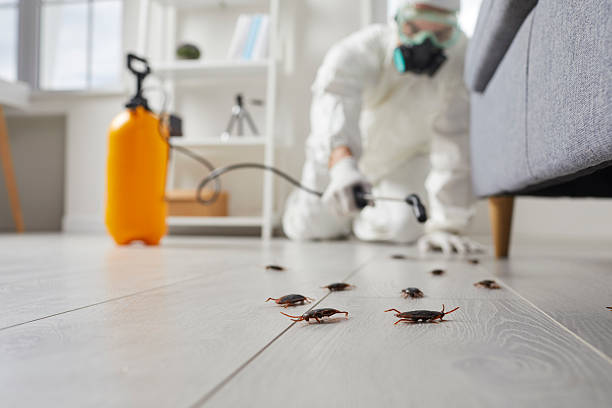
Show Me Pest Control in Royalton -- species ID, correct bait placement, and follow-up confirmation included in every treatment.
Call +1-866-315-0243